
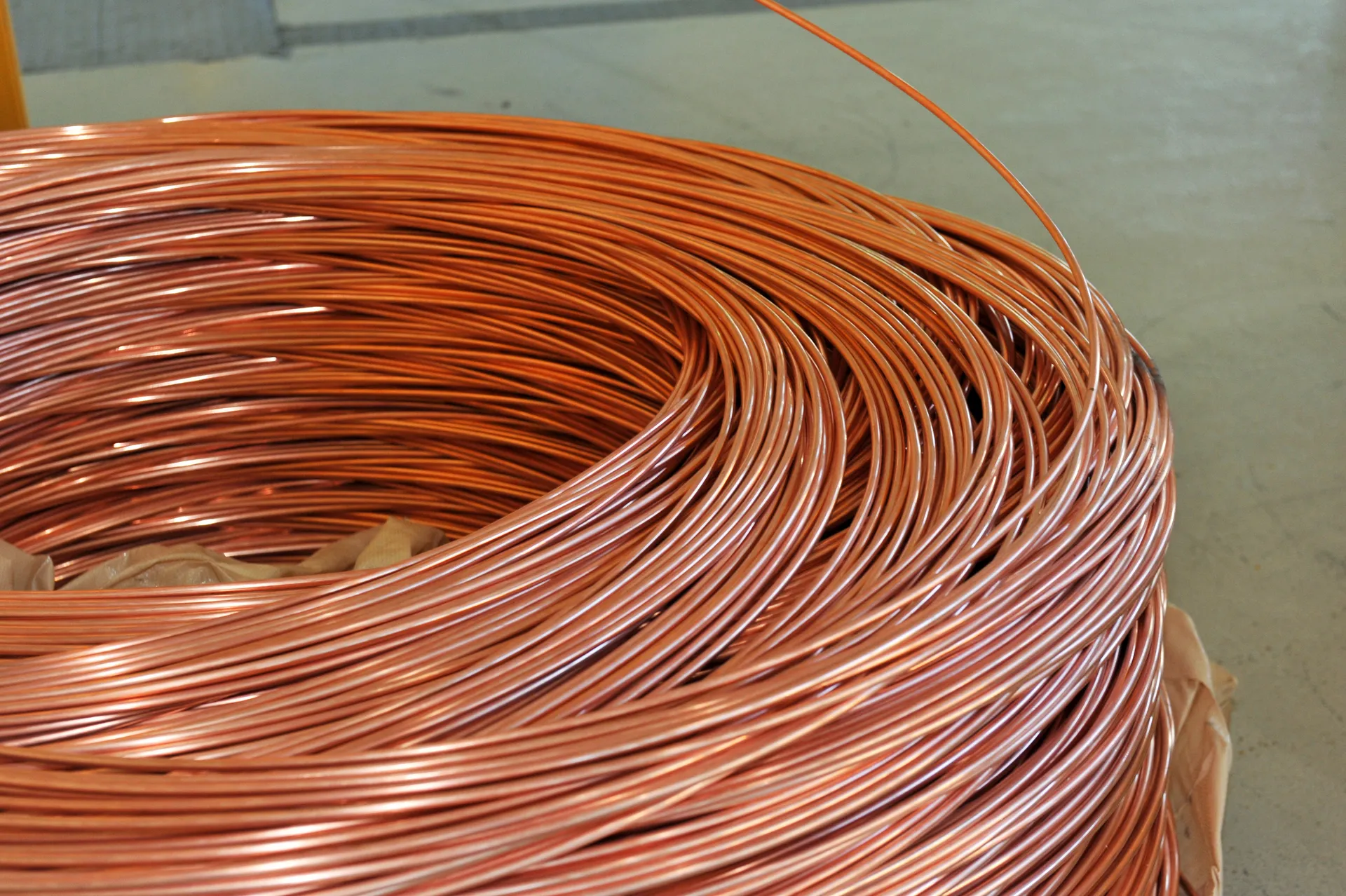
Copper wire is one of the most widely used materials in manufacturing and engineering because of its strength, ductility, and excellent electrical conductivity.
At ILF, we support customers from our Midlands HQ, across the UK and internationally with copper stock, including wires, cables, and electrical busbars. As well as busbar manufacture, CNC machining, and finishing support where needed, helping engineers and manufacturers keep critical operations running smoothly.
Whether it is powering electrical systems, forming part of precision components, or used in large-scale industrial installations, copper wire remains a trusted and versatile choice.
Why Copper Wire Still Matters Today
Despite the development of new materials and technology, copper has a unique place in modern manufacturing. Its strong electrical conductivity, corrosion resistance, and ease of forming make it ideal for industrial and heavy engineering.
Copper metal is also totally recyclable without losing quality, which promotes sustainability across the production supply chain. This is another reason why it is still a popular material for firms that want to balance performance and environmental responsibility.
Common Uses of Copper Wire in Modern Manufacturing
Copper wire plays a key role in a wide range of applications, including:
- Electrical wiring and power distribution: used to connect, transmit, and ground power safely.
- Busbar and switchgear production: Enabling high-conductivity electrical pathways within control panels and switchboards.
- Motor and transformer winding: Cable wire provides the conductivity and durability required for efficient operation.
- Cable assemblies and harnessing: Essential in vehicle, aerospace, and industrial equipment manufacturing.
- Electronic components: Precision wire coils and connectors that require consistent electrical flow.
At ILF, we understand the importance of reliable material availability. Our manufacturing facility in the Midlands supplies copper wire in a variety of specifications for both urgent and scheduled orders.
How Copper Wire is used across Engineering Sectors
A wide range of sectors use copper wire, as the need for reliable conductivity transcends market boundaries.
Different industries rely on copper wire for different reasons:
- Electrical and power engineering: Copper busbars and wire conduct electricity efficiently while withstanding heat and load cycles.
- Mechanical and manufacturing engineering: Copper is used in precision components that require both mechanical strength and conductivity.
- Transport and automotive: Electrical wire and cable systems use copper for consistent performance under vibration and temperature change.
- Construction and infrastructure: Bare copper and tinned copper wiring support building electrics, earthing, and safety systems.
- Renewable energy and power generation: Copper components help manage voltage and energy transfer reliably in demanding environments.
This wide applicability is one reason we support customers across sectors, from OEMs to specialist fabricators.
Types of Copper Wire used in Engineering Applications
Not all copper cable is the same. The best option depends on the job. There are several types of copper wire used in production and assembly:
- Solid copper wire: Made from a single piece of copper. Engineers often use it in fixed installations, including wiring inside walls, control panels and other applications that need a firm, rigid wire.
- Stranded copper wire: Made up of many thin copper strands twisted together. This gives it greater flexibility, so manufacturers commonly use it in automotive wiring, robotics and electrical equipment.
- Enamelled copper wire: Also known as magnet wire, it has a thin enamel coating that helps prevent short circuits. It is widely used in motors, transformers, and solenoids.
- Braided copper wire: Made by putting together copper cables. Its main jobs are to ground things, make flexible electrical links, and lower electromagnetic interference, or EMI.
- Bare copper wire: Uncoated and highly conductive, ideal for electrical grounding and power transfer.
- Tinned copper wire: Coated with tin for additional corrosion resistance, especially in marine or damp environments.
- Tinsel wire: A very flexible type of wire made by wrapping flattened copper around a nylon or polyester core. It is often found in headphones and small electronic devices.
- Copper-clad aluminium or steel wire: Has a copper outer layer with an aluminium or steel core. Engineers use it when an application needs lower weight or extra strength.
We supply multiple forms of wire and busbar material, manufactured and machined to specification, so engineers receive material that fits, performs and installs without delay.
Key Benefits of Copper for Manufacturers and Engineers
Copper wire offers a combination of practical advantages that make it the go-to material for many technical projects:
- Excellent electrical conductivity: supporting efficient power transmission and minimal energy loss.
- High thermal performance: Dissipates heat effectively, improving the reliability of electrical systems.
- Mechanical flexibility: Allows forming, shaping, and joining without fracture.
- Corrosion resistance: Maintains performance and longevity in exposed environments.
- Recyclability: Retains value and integrity through multiple life cycles.
These qualities make copper wire a dependable material choice when performance and reliability matter most.
Factors to Consider when choosing Copper Cable
When specifying copper cable for an application, consider the following practical factors:
- Conductivity requirements depend on voltage and load.
- Wire form and finish, such as bare, stranded, or coated, based on environment and use.
- Mechanical strength for stress, vibration or movement within machinery.
- Dimensional tolerance is used in technical assemblies or fittings.
- Compliance and quality ensure supply from ISO 9001:2015-approved sources like ILF, reducing quality and delivery risks.
At ILF, we work closely with engineers to match the material format and finish to the intended use, saving time during installation and testing.
Challenges and Considerations in Copper Wire Applications
The main challenges with copper conductors often stem from selection and supply, rather than the material itself.
- Material availability: Delays in global supply chains can affect production schedules, which is why local UK stockholding is valuable.
- Compatibility: To avoid galvanic corrosion, engineers need to make sure that the copper conductors or busbars match the materials used for the connectors and fittings.
- Sizing accuracy: Using the correct cross-sectional area (CSA) ensures safe electrical performance under load.
- Cost fluctuations: As a traded metal, copper prices can vary, so consistent supplier communication helps plan procurement efficiently.
With precisely managed copper and aluminium stock, we help businesses reduce these risks and maintain a steady production flow.
The Future of Copper Wire in Manufacturing and Engineering
Copper wire will become even more important as more businesses go electric and more people want renewable power infrastructure.
Materials that can safely carry power and data are essential for progress in smart manufacturing, robots, and energy-efficient systems. Copper is still the best material for these uses. Supply stability, quality control, and precise machining will continue to be important when using this important metal in an efficient, long-lasting way.
At ILF, our commitment is to provide reliable, high-quality copper products with prompt delivery throughout the UK and beyond. Our team can help you if you need copper busbars, wire coils, or copper stuff for making things.
Milly Edwards

Sales and Marketing Executive: Responsible for creating content for ILF's social media channels, website, print media and promotional work.