
Tin-Plated vs Silver-Plated Copper Busbars: Which Finish Does Your Application Need?
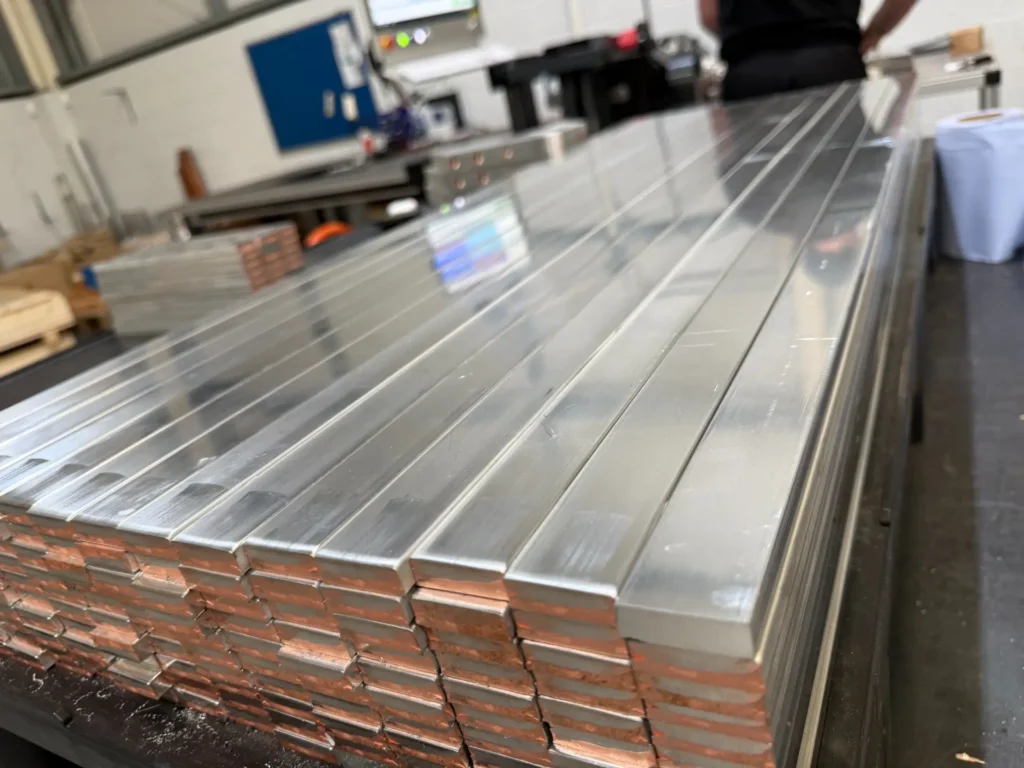
If you’re weighing up tin-plated vs silver-plated copper busbars, tin does the job at a lower cost for most fixed, bolted joints. Silver earns its higher price where joints run hot, where contacts slide or operate often, or where a switchgear design relies on the higher temperature limits that silver-coated joints are allowed. Sulphur-rich sites […]
What to Include on a Busbar Drawing: A Checklist for Faster Quotes
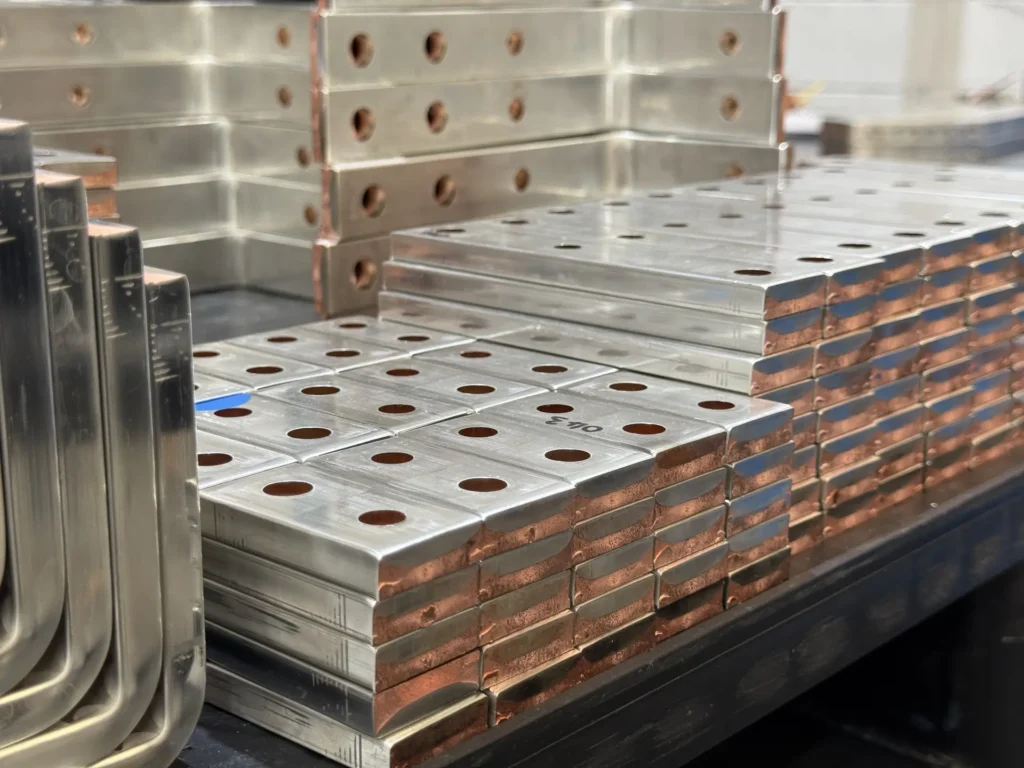
A busbar drawing should clearly specify the conductor material, dimensions, hole positions, bends, tolerances, surface finishes and relevant electrical requirements. Providing this information upfront helps manufacturers assess production requirements, identify potential issues and prepare accurate quotations with fewer clarification requests. Whether you are specifying copper busbars for switchgear, developing a power distribution system or sourcing […]
Copper Busbar Sizing: What Factors Should Engineers Consider?
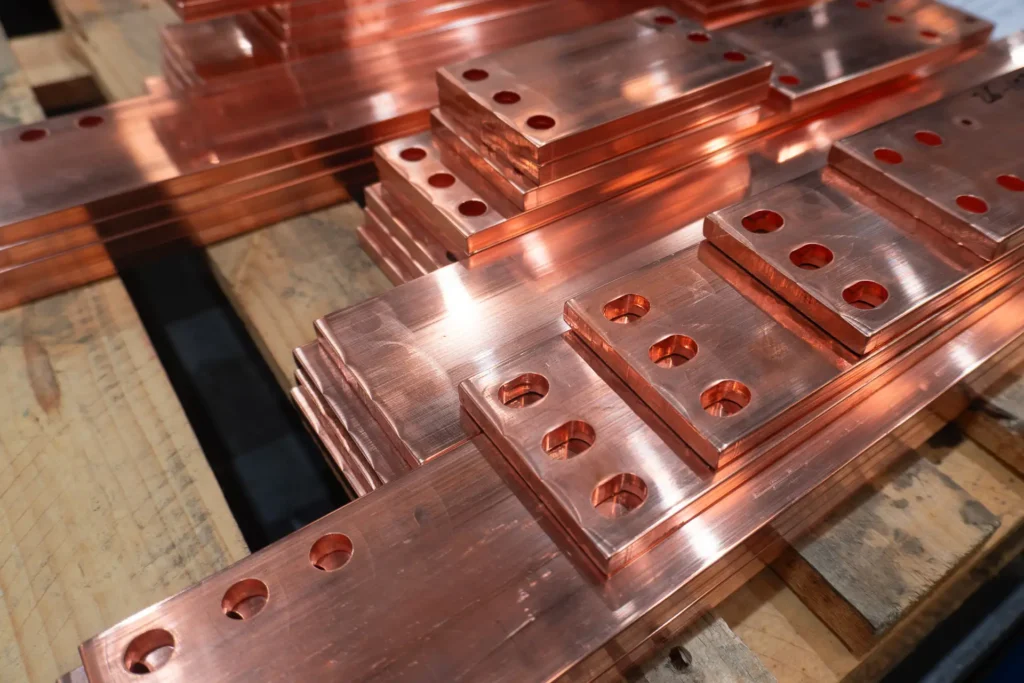
Correct copper busbar sizing depends on more than the current the conductor must carry. Engineers also need to consider permitted temperature rise, ambient conditions, the enclosure, short-circuit current, conductor geometry, joints, spacing and the requirements of the complete electrical assembly. There is no universal busbar size for a given current. Two bars with the same […]
5083 vs 6082 Aluminium: Which Alloy Is Better for Fabrication?
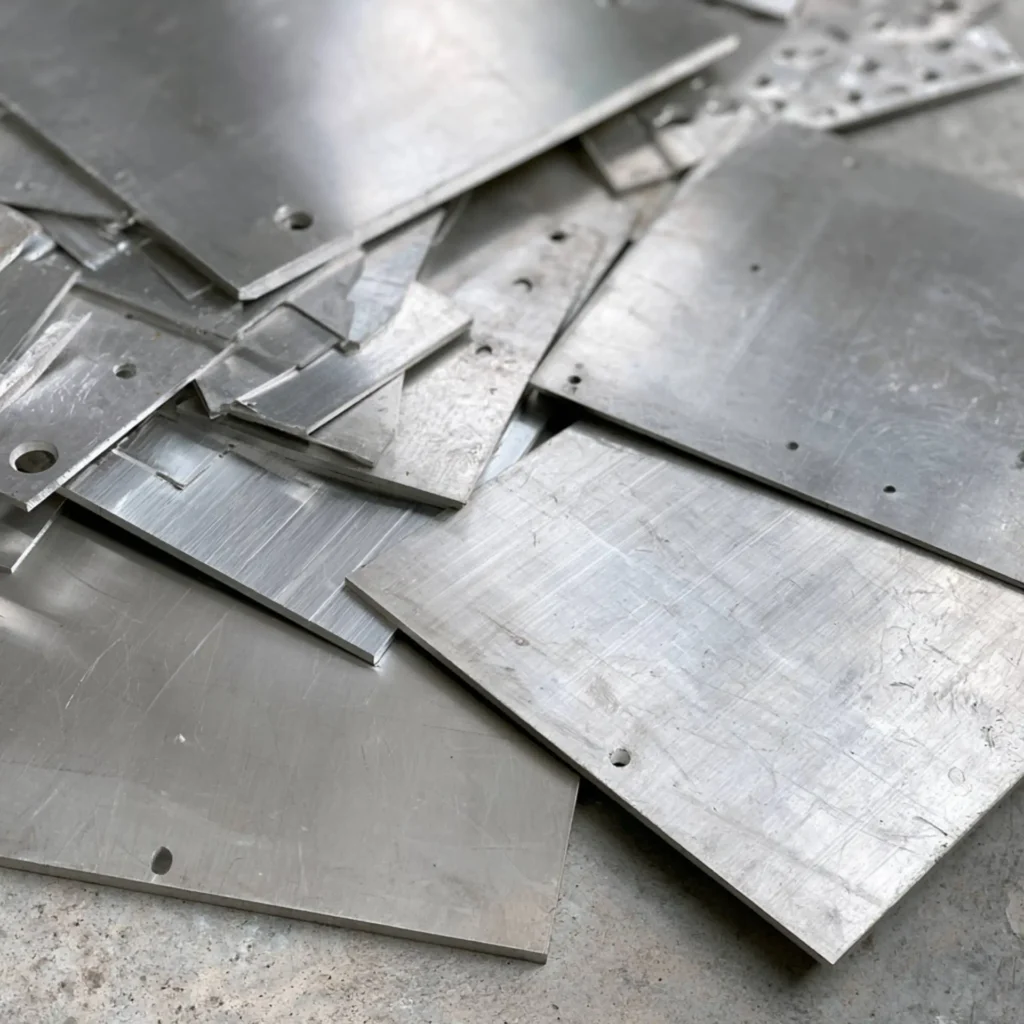
Choosing between 5083 and 6082 aluminium depends on the finished component, not on which alloy is universally “better”. For most fabrication projects, engineers choose 5083 for extensive welding and marine or corrosive environments, while they often select 6082-T6 for higher proof strength, CNC machining and structural or extruded components. Engineers and buyers should also consider […]
Copper vs Brass vs Bronze: Which Material Should You Choose for Your Component?
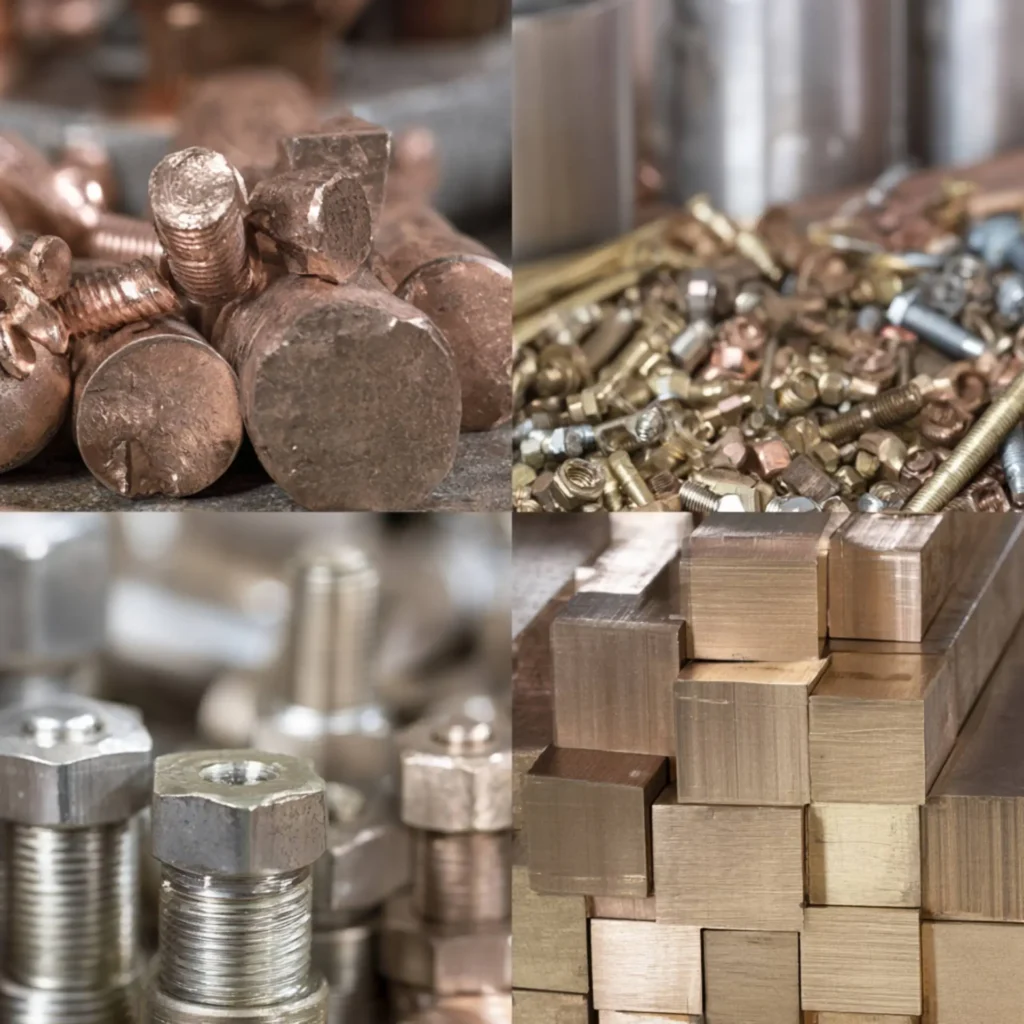
Choosing between copper, brass, and bronze depends on what the component needs to do. Copper is generally the first choice where electrical or thermal conductivity is critical. Brass is often selected for machinability and a balanced combination of strength and corrosion resistance, while bronze is commonly considered where wear, friction or demanding operating conditions matter. […]
Choosing a UK Copper and Aluminium Supplier: What Trade Buyers Need to Know
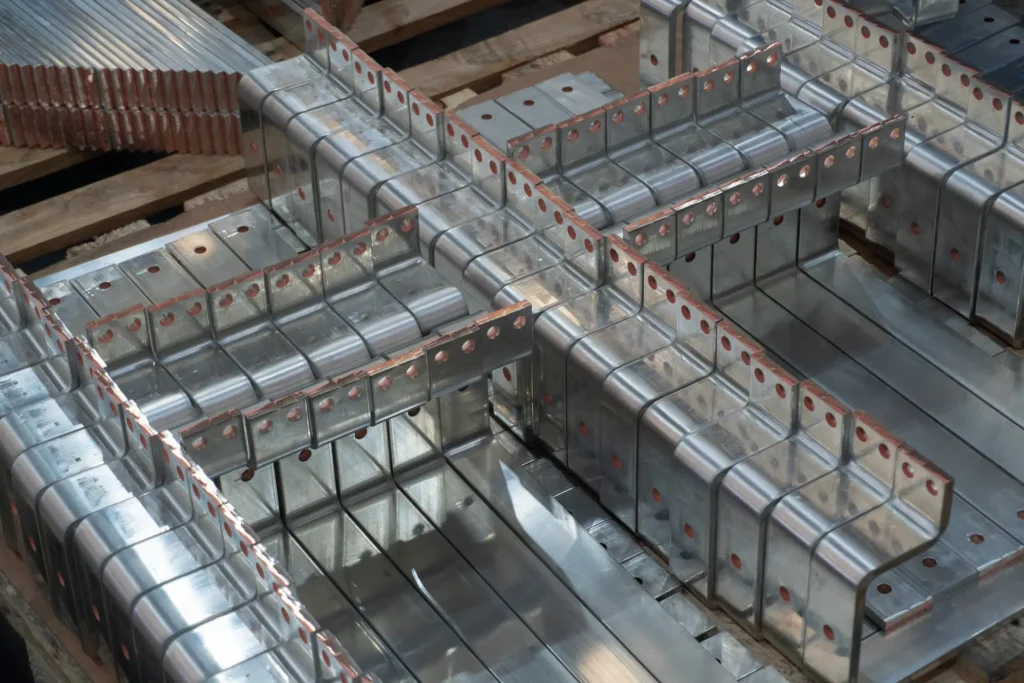
For engineers, manufacturers and procurement teams, sourcing copper and aluminium is rarely as simple as finding a material in the right thickness or section. Material grade, tolerances, conductivity, finish, machining requirements, batch consistency and lead time can all influence whether a component performs as intended and arrives ready for production. When specifications become more demanding, […]
Aluminium Busbars for Electrical Conductors: When Is Aluminium the Right Choice?
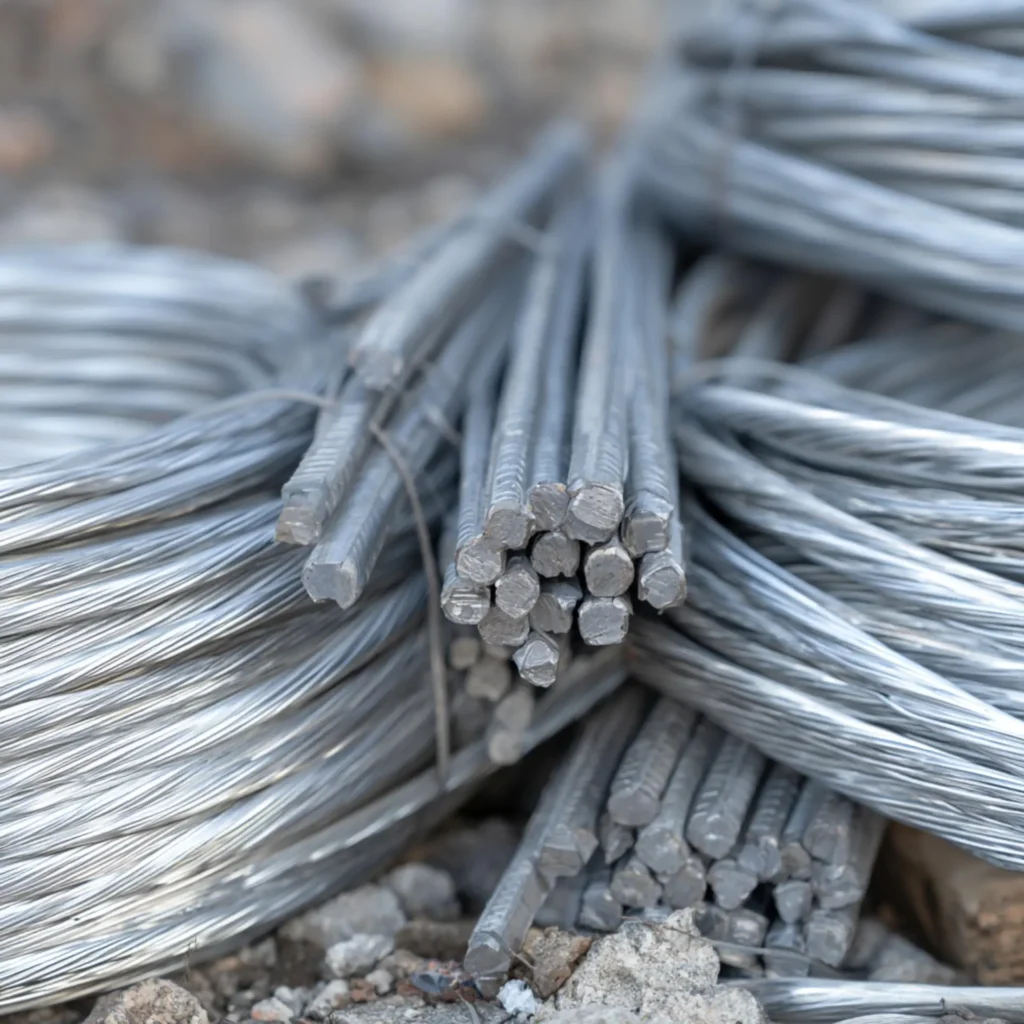
For engineers, manufacturers and procurement teams, choosing the right conductor material is rarely as simple as comparing conductivity figures. Electrical performance matters, but so do weight, available space, thermal behaviour, installation requirements, manufacturing complexity, corrosion resistance and overall project cost. In applications where reducing component weight is important, aluminium busbars can offer a practical alternative […]
Effective Ways to Improve Heat Dissipation with Aluminium Busbars
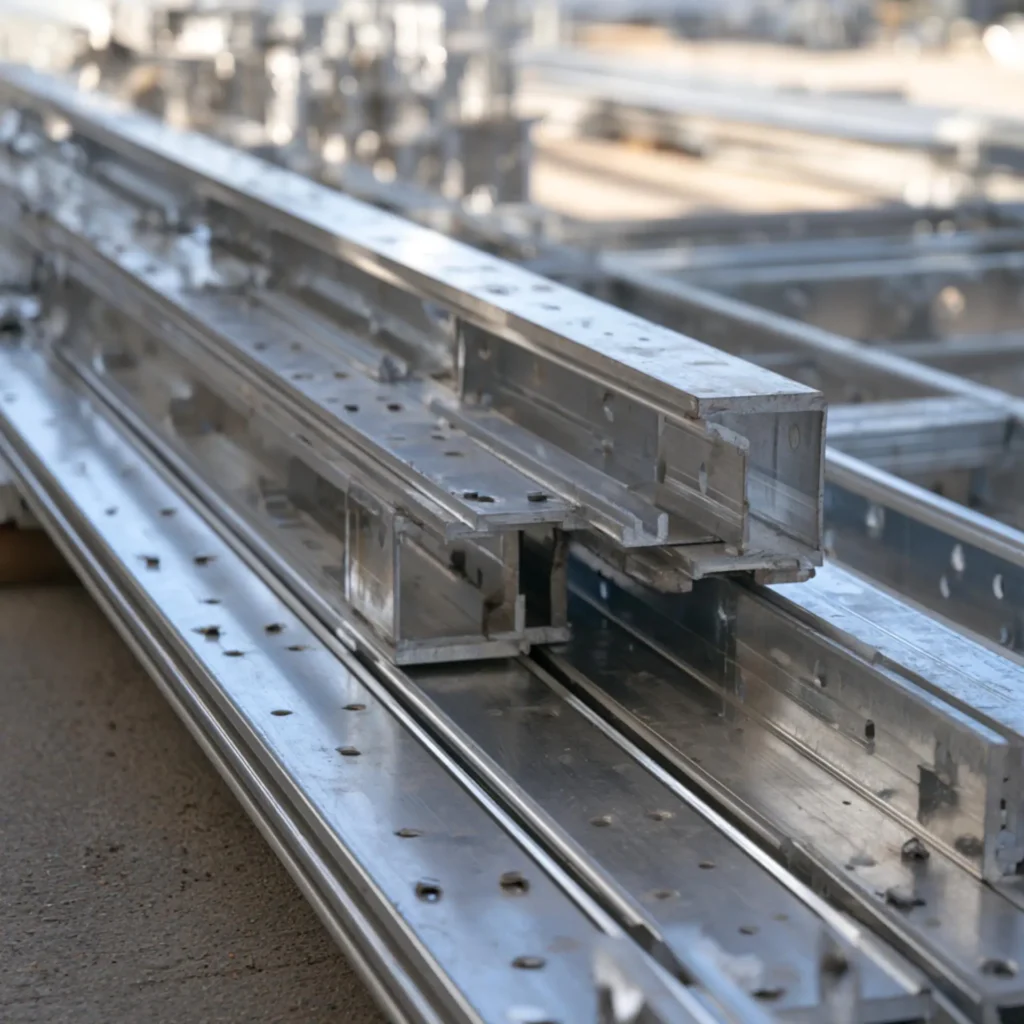
Heat is an unavoidable consideration in any electrical power distribution system. Wherever current meets electrical resistance, some energy is converted into heat. The aim is not to eliminate heat completely. It is to control heat generation, allow it to leave the assembly effectively and prevent excessive temperatures from affecting the performance of the busbar, its […]
How Aluminium Busbars Are Powering the Future of Data Centres
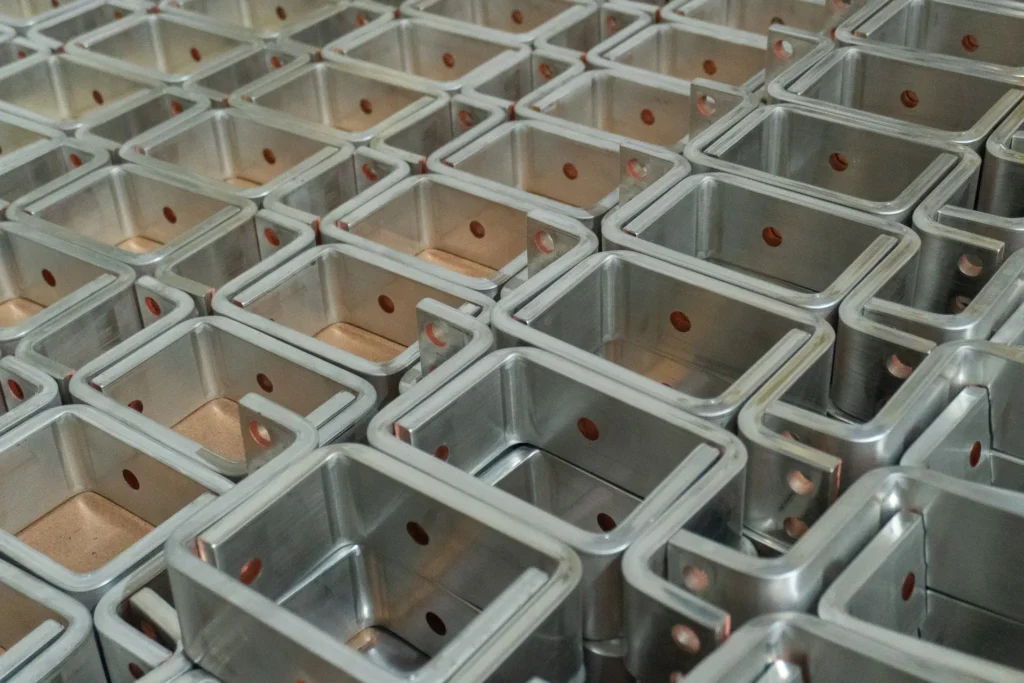
Data centres depend on stable, efficient and carefully planned electrical infrastructure. As demand grows for cloud computing, AI workloads, streaming, data storage and digital services, engineers need power distribution systems that can handle higher loads while remaining practical to install, maintain and expand. This is where Aluminium Busbars are becoming increasingly relevant. Used correctly, they […]
What Are Aluminium Busbars and Where Are They Used?
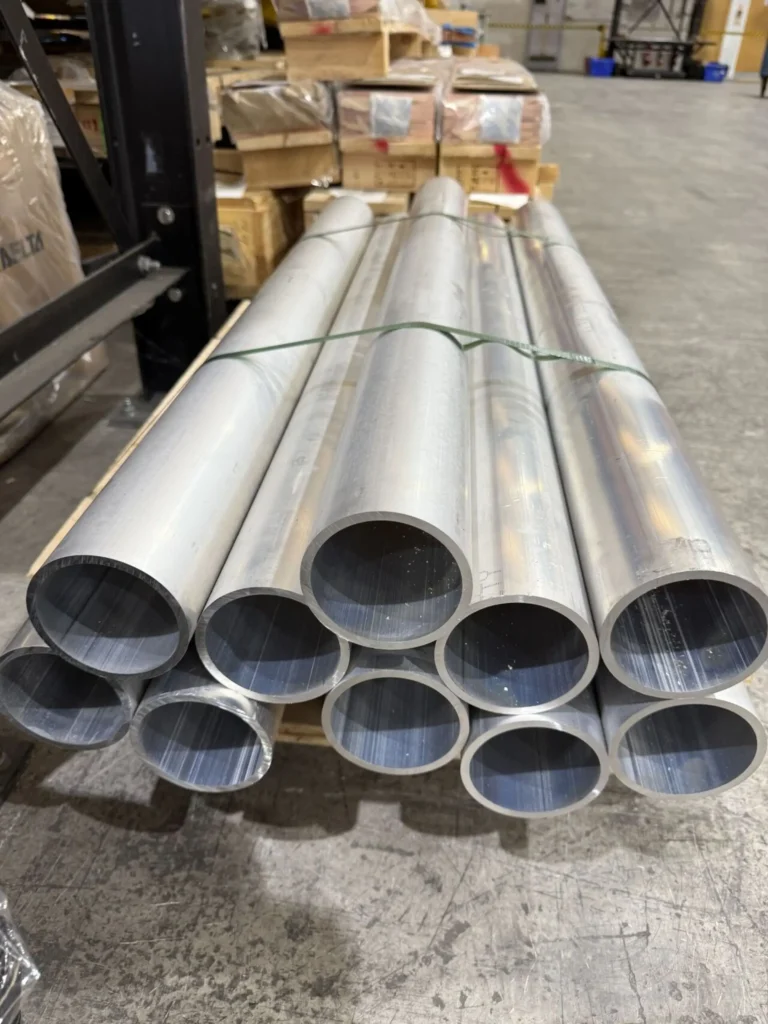
Aluminium busbars are widely used to carry and distribute electrical power inside panels, enclosures, switchgear, battery systems, machinery, and larger power distribution assemblies. Instead of relying on multiple individual cables, a busbar provides a solid, shaped conductor that allows current to move through an electrical system in a controlled, organised, and space-efficient way. For engineers, […]