
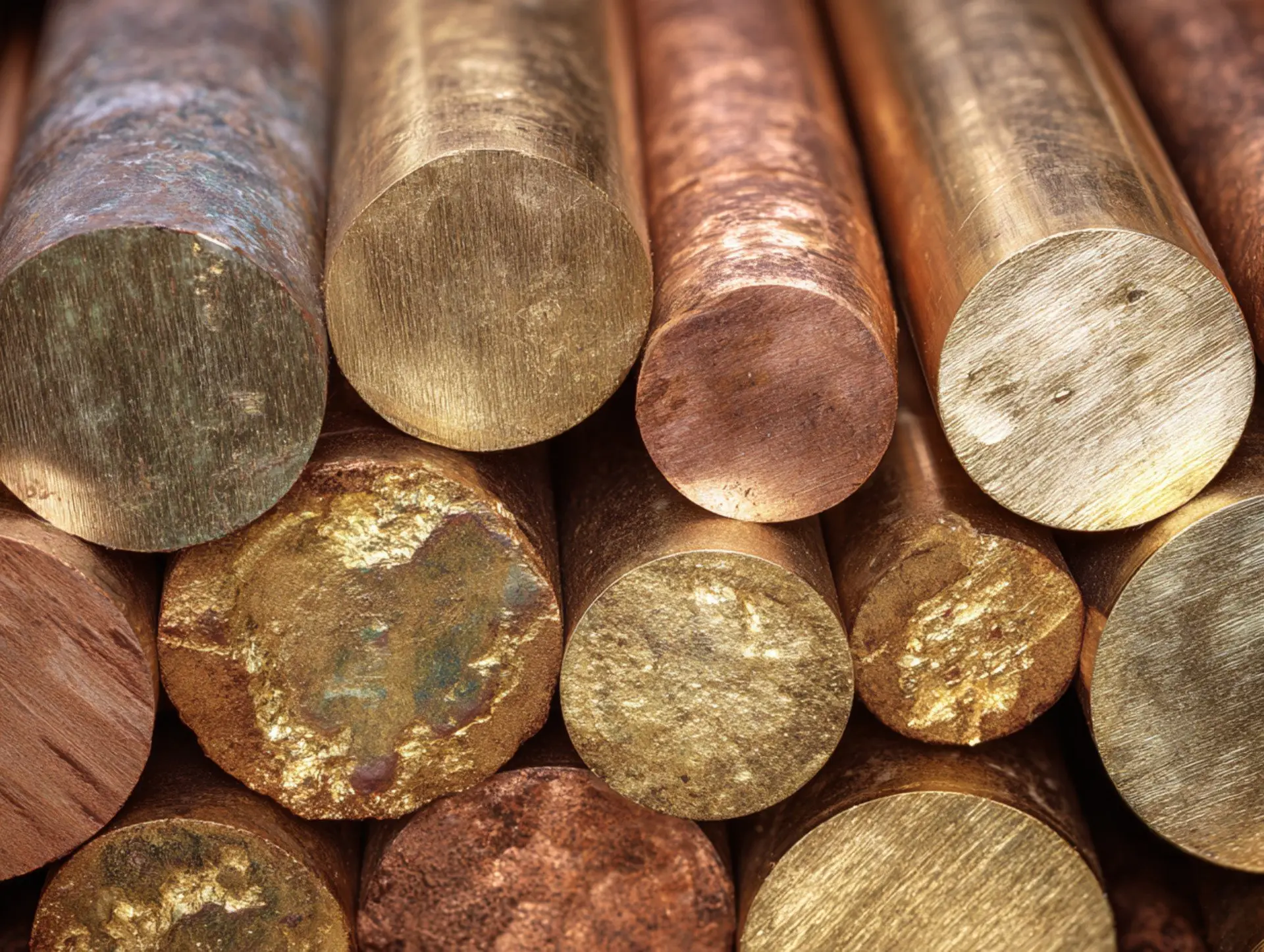
Brass, copper, and bronze are among the most recognised metal alloys used across industries such as manufacturing, architecture, and decorative arts. While they share a similar appearance, their compositions and characteristics vary considerably, influencing how each material performs in different applications. Understanding their unique properties helps engineers, and tradespeople choose the right metal for their needs.
Businesses like ILF Products value these distinctions when recommending materials for industrial or architectural use. This guide explores what sets brass apart from its metallic relatives, copper and bronze.
Understanding Brass: Composition and Properties
Brass is mostly made of copper and zinc. The colour, power, and malleability of these two metals are based on how much of each one there is. Brass looks more golden and bright when it has more zinc, and it looks darker and warmer when it has less zinc.
Engineers prize brass for its strength, resistance to rust, and ability to carry heat and electricity well. These qualities make it perfect for plumbing tools, musical instruments, and electrical parts. Manufacturers also use it in horns, bells and other sound-producing devices because it delivers excellent sound quality.
Brass is different from other alloys because it is easy to shape and polish. This makes it possible to create detailed and artistic finishes that look good in both traditional and modern settings. This mix of function and style has made it a staple in homes, businesses, and art for hundreds of years.
How Brass Compares to Copper
Copper is one of the earliest metals and a pure element. It is reddish and known for its conductivity and antibacterial qualities. Copper’s durability and corrosion resistance make it useful in wiring, plumbing, architectural surfaces, and kitchen utensils.
Copper is softer and more ductile than brass, making brass a stronger and more adaptable option for applications requiring robustness and aesthetic flexibility. In UK commercial and residential projects, specialists choose brass fittings over copper for a gold-like appearance or additional toughness.
Tonal difference affects choices. Brass is brighter and resists oxidation indoors better than copper, which patinates.
How Brass Differs from Bronze
Bronze is comparable to brass, but it uses tin instead of zinc, resulting in a darker and redder colour. Humanity created bronze as one of its first alloys, and it remains strong and wear-resistant.
Bronze surpasses brass in mechanical and maritime applications due to its friction and corrosion resistance, especially in seawater. Thus, ship propellers, bearings, and heavy-duty industrial equipment employ it.
Brass is preferable for architectural features, door handles, and fixtures because of its malleability and aesthetics. Brass is easy to cast and machine because of its zinc concentration, allowing manufacturers to shape metal into precise or beautiful forms.
Both materials have advantages, and the function and environment determine their use. Cartridge metal is favoured for interior decor because of its shine and warmth. In contrast, bronze is best for durable mechanical usage.
Common Applications and Everyday Uses
Brass features in an impressive range of products across multiple sectors:
- Construction and Architecture: Used in locks, hinges, handrails, and fixtures because of its strength, durability, and resistance to corrosion.
- Electrical Engineering: Preferred for terminals, plugs, switches, and connectors due to its excellent conductivity and secure fit, ensuring safety and efficiency.
- Plumbing Systems: Brass fittings are chosen for their ability to form tight, leak-free seals. The smooth surface of brass components reduces friction in water pipes, improving overall flow performance.
- Musical Instruments: Essential for horns, trumpets, and other wind instruments thanks to its consistent acoustic properties and ability to retain shape under pressure, resulting in clear and reliable sound quality.
- Decorative Arts and Furniture Specification: Favoured for lamps, handles, and ornamental accents because of its warm golden sheen and ability to hold intricate component, blending well in both classic and modern interiors.
- Industrial and Manufacturing Use: Common in machine parts and precision fittings, where durability and resistance to wear are crucial.
Sustainability and Recycling in Modern Manufacturing
Brass, copper, and bronze are recyclable, which benefits the environment. Remelting and reusing these metals without losing quality or performance reduces ore extraction and environmental impact.
Strong, coloured, and corrosion-resistant recycled yellow metal may perform the same activities as new brass. To efficiently recover high-quality material, UK foundries and metal suppliers have developed innovative refining techniques.
Choose recycled metal to support a circular economy and reduce production carbon emissions. This method follows modern manufacturing, and architectural for environmental responsibility.
Clarity on Material Choice Matters
The differences between brass, copper, and bronze go beyond appearance. Each metal has advantages and applications. Brass is versatile and durable, combining the brilliance of gold with the simplicity of sculpting. Copper is used for excellent conductivity and aesthetics, whereas bronze is best for heavy-duty applications that require strength and corrosion resistance.
These metals underpin innovation in UK industries. Their durability makes them suitable for functional fixtures, musical instruments, and decorative works in both modern and traditional contexts.
Milly Edwards

Sales and Marketing Executive: Responsible for creating content for ILF's social media channels, website, print media and promotional work.